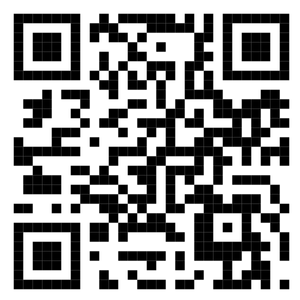
Download the
LA Metro Micro App
Scan the QR Code to download the LA Metro Micro App on your phone!
The software image viptela-edge-19.2.3-genericx86-64.qcow2 is the virtualized version of a Cisco vEdge router (vEdge Cloud) for SD-WAN deployments in environments like EVE-NG, GNS3, or KVM-based servers. Official Download Link Official software images are hosted on Cisco Software Central Direct Path: Software Download Hub Requirement:
Requirements: A valid Cisco.com account and an active service contract are mandatory to download these proprietary files.
When setting up this image in a lab, follow these typical naming conventions to ensure the simulator recognizes the node: viptelaedge1923genericx8664qcow2 download link
Downloading Viptela Edge 1923 Generic x86-64 Qcow2 requires accessing the official Cisco (Viptela's parent company) software download site. Cisco acquired Viptela in 2017 and now hosts Viptela products on its software center.
The "1923" in Viptela Edge 1923 refers to the specific version of the software. "Generic x86-64" indicates that this version is compatible with a wide range of x86-64 architecture-based systems, making it versatile for deployment on various hardware platforms. The "Qcow2" extension signifies that the software package is in QEMU Copy On Write (Qcow2) format, a virtual disk image format used by QEMU, an open-source emulator and virtualizer. This format allows for efficient and flexible deployment of virtualized environments. The software image viptela-edge-19
Zero-Touch Provisioning (ZTP): Supports automated onboarding into the SD-WAN fabric.
If you are setting this up for a lab, ensure your hypervisor is configured with at least 1 vCPU and 2GB of RAM for the vEdge image to boot reliably. step-by-step guide on how to initialize this image in a CLI environment? Cisco Viptela images set - - EVE-NG ViptelaEdge – This indicates the image is for
Once downloaded, the image is typically uploaded to a hypervisor or simulation server using tools like WinSCP or FileZilla. In EVE-NG specifically, it must be placed in a directory such as /opt/unetlab/addons/qemu/vtedge-19.2.3/ and renamed to virtioa.qcow2 to be recognized by the system.

Scan the QR Code to download the LA Metro Micro App on your phone!