Reflect4 Web Proxy May 2026
A write-up on Reflect4 highlights its role as a user-friendly control panel for deploying and managing personal web proxy hosts. Introduction to Reflect4
Core features
- TLS termination and passthrough: can act as a TLS terminator with automatic certificate management, or forward encrypted traffic to backends.
- Mutual TLS (mTLS): supports client certificate verification for strong service-to-service authentication.
- Header/body rewriting: rules to modify headers or response bodies for privacy, testing, or A/B experiments.
- Access controls: role-based access rules and IP/rate limiting to protect backends.
- WebSocket and HTTP/2 support: full-duplex and multiplexed channel handling for modern apps.
- Plugin system: allow custom logic (e.g., authentication hooks, content filtering) written in safe sandboxed languages or via WebAssembly for portability.
- Caching layer: pluggable cache backends (in-memory, Redis) with configurable TTL and cache key policies.
- Circuit breakers & retry policies: resilient routing with per-backend health checks and backoff strategies.
- Rewrite & redirect rules: host/path-based routing and conditional redirects.
VPN: Best for "always-on" security. It protects your entire device (including apps like Spotify or Zoom) but often requires a paid subscription for high speeds and better security protocols. Is Using Reflect4 Safe? reflect4 web proxy
Blocking: Many Reflect4-based domains are frequently flagged and added to DNS blocklists because they are often used to bypass organizational filters. A write-up on Reflect4 highlights its role as
Avoid Sensitive Logins: While the connection is encrypted, it is best practice not to access your primary bank accounts or enter credit card information while using a free proxy. TLS termination and passthrough: can act as a
Example configuration snippet (conceptual)
- Listener: TLS terminate on 443
- Route: host-based routing
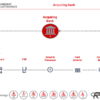
- Filter chain: header sanitizer → auth check → cache → backend
- Backend: pool with health checks, retries, and circuit breaker settings
Verdict: Reflect4 is obsolete and dangerous to deploy in any production or sensitive environment. Its primary current use case is in red-team infrastructure for short-term C2 redirectors or by malicious actors for anonymous access.