
Harp Nextcloud Install ((exclusive)) File
The introduction of (High-availability Reverse Proxy) marks a paradigm shift in how Nextcloud handles external applications (ExApps). As Nextcloud evolves into a "Hub" rather than just a file-sync service, the need for a robust, decoupled execution environment for resource-heavy apps—like those requiring GPUs or high-performance compute—has become critical. 🏛️ The Architecture of HaRP
: Run the daemon where your main reverse proxy can reach it. docker run -d \ --name appapi-harp \ -e HP_SHARED_KEY= "your_secure_key" \ -e NC_INSTANCE_URL= "https://yourcloud.com" \ -v /var/run/docker.sock:/var/run/docker.sock \ -p \ ghcr.io/nextcloud/nextcloud-appapi-harp:release Use code with caution. Copied to clipboard Register the Daemon Navigate to your Nextcloud Admin Settings Register Daemon and select the HaRP Proxy (Host) HP_SHARED_KEY used in your Docker command to establish the link. Configure Main Reverse Proxy : Update your primary proxy (e.g., Nginx) to redirect requests to the HaRP container on port Best Practices for Stability Version Compatibility : Ensure you are running Nextcloud 32 or higher for full support, as older methods are being deprecated. Network Security
This article walks you through a complete, production-ready Nextcloud installation on Kubernetes using the HARP methodology. You will end up with a highly available, automatically backed up, and easily upgradable Nextcloud instance.
He began the Nextcloud installation, choosing the All-in-One Docker route to ensure every piece of the puzzle—from the database to the office suite—fit together perfectly. Command by command, he laid the foundation. When the first login screen finally appeared, it felt like striking a clear, resonant chord on a well-tuned instrument.
NC_INSTANCE_URL: The full URL of your Nextcloud installation.
root /var/www/nextcloud; index index.php index.html index.htm;Listen to the latest episodes
1267 – Epcot and Animal Kingdom | Ray Cools It Down Again
Harp Nextcloud Install ((exclusive)) File
The introduction of (High-availability Reverse Proxy) marks a paradigm shift in how Nextcloud handles external applications (ExApps). As Nextcloud evolves into a "Hub" rather than just a file-sync service, the need for a robust, decoupled execution environment for resource-heavy apps—like those requiring GPUs or high-performance compute—has become critical. 🏛️ The Architecture of HaRP
: Run the daemon where your main reverse proxy can reach it. docker run -d \ --name appapi-harp \ -e HP_SHARED_KEY= "your_secure_key" \ -e NC_INSTANCE_URL= "https://yourcloud.com" \ -v /var/run/docker.sock:/var/run/docker.sock \ -p \ ghcr.io/nextcloud/nextcloud-appapi-harp:release Use code with caution. Copied to clipboard Register the Daemon Navigate to your Nextcloud Admin Settings Register Daemon and select the HaRP Proxy (Host) HP_SHARED_KEY used in your Docker command to establish the link. Configure Main Reverse Proxy : Update your primary proxy (e.g., Nginx) to redirect requests to the HaRP container on port Best Practices for Stability Version Compatibility : Ensure you are running Nextcloud 32 or higher for full support, as older methods are being deprecated. Network Security harp nextcloud install
This article walks you through a complete, production-ready Nextcloud installation on Kubernetes using the HARP methodology. You will end up with a highly available, automatically backed up, and easily upgradable Nextcloud instance. docker run -d \ --name appapi-harp \ -e
He began the Nextcloud installation, choosing the All-in-One Docker route to ensure every piece of the puzzle—from the database to the office suite—fit together perfectly. Command by command, he laid the foundation. When the first login screen finally appeared, it felt like striking a clear, resonant chord on a well-tuned instrument. Network Security This article walks you through a
NC_INSTANCE_URL: The full URL of your Nextcloud installation.
root /var/www/nextcloud; index index.php index.html index.htm;Support our sponsors
Support the show
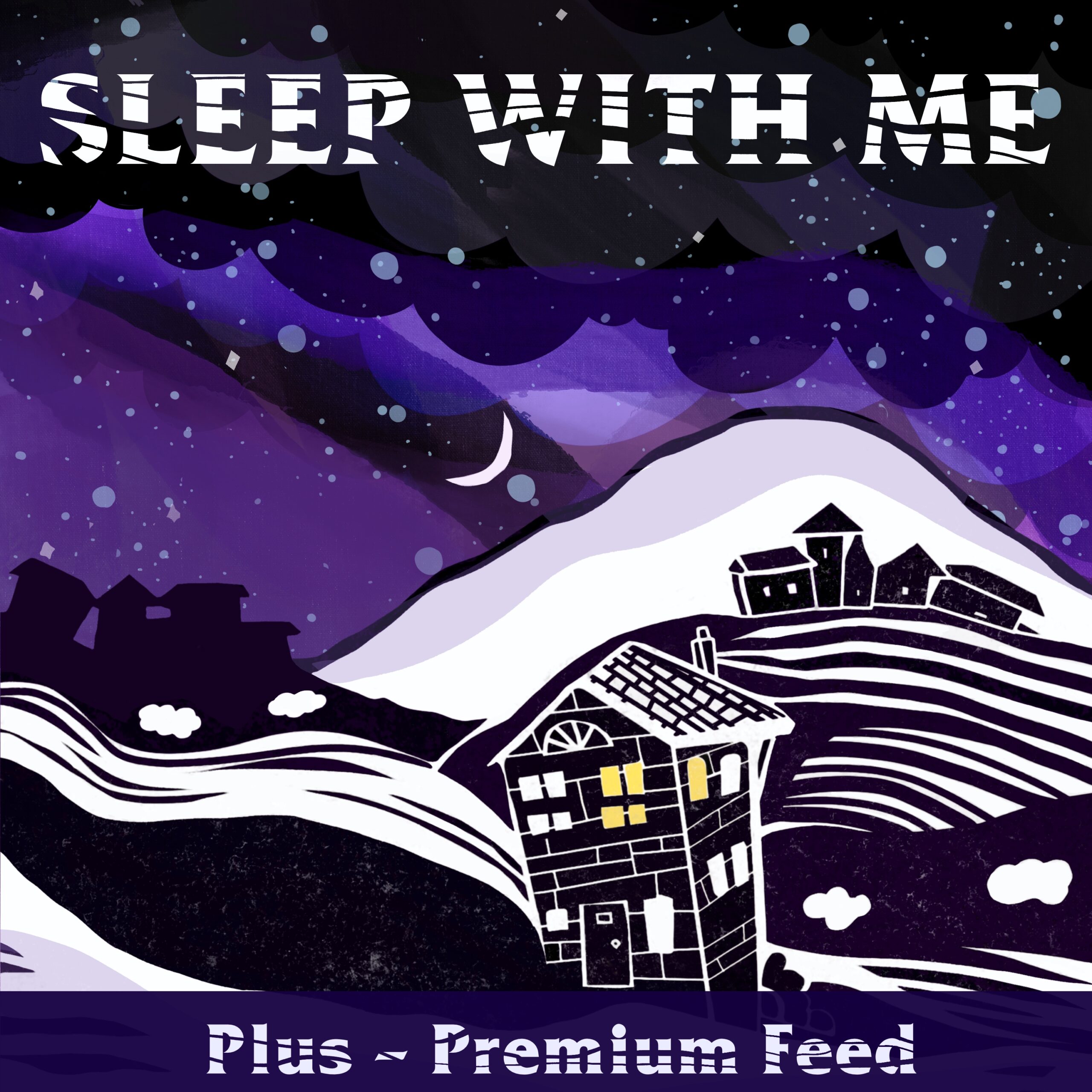
Sleep With Me Plus the ultimate way to listen
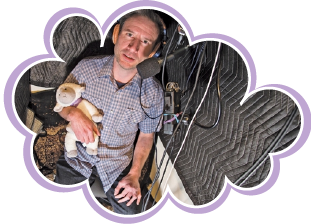
Hi, you can call me Scooter.
Drew Ackerman is the creator and host of Sleep With Me, the one-of-a-kind bedtime story podcast featured in The New York Times, The New Yorker, Buzzfeed, Mental Floss, and NOVA. Created in 2013, Sleep With Me combines the pain of insomnia with the relief of laughing and turns it into a unique storytelling podcast. Through Sleep With Me, Drew has dedicated himself to help those who feel alone in the deep dark night and just need someone to tell them a bedtime story.
FEATURED BY: