0

Einkaufswagen

Zurzeit befinden sich keine Artikel in Ihrem Einkaufswagen.

    Beach Adventure 6 Milftoon Link Link

    The portrayal and career trajectories of mature women in entertainment and cinema have historically been defined by systemic ageism and narrow archetypes

    Beyond the "Grandma" Trope

    Historically, Hollywood’s obsession with youth was an economic mandate, not an artistic one. The industry presumed that audiences, particularly the coveted 18-34 demographic, were uninterested in stories about women navigating menopause, widowhood, or the complexities of a post-child-rearing identity. Actresses like Meryl Streep, though celebrated, often noted the drying up of substantial roles after a certain age. The lament was a cultural cliché: the “second act” for a male star meant Taken or John Wick; for a female star, it meant a voiceover role as an animated cat or a two-scene cameo as a congresswoman. This disparity reinforced a toxic cultural message: that a woman’s narrative value expired alongside her fertility and conventional beauty. Beach Adventure 6 Milftoon LINK

    are headlining action and horror franchises, portraying "hard women" with steely resolve and complex histories. Challenges and Persistence The portrayal and career trajectories of mature women

    If you'd like to refine this into a specific format, tell me if you're looking for: A video script outline (e.g., for YouTube or a mini-doc). The lament was a cultural cliché: the “second

    The Invisibility Gap: Women over 50 make up 20% of the population but only about 8% of television characters. In film, characters over 50 are three times more likely to be male (80%) than female (20%).
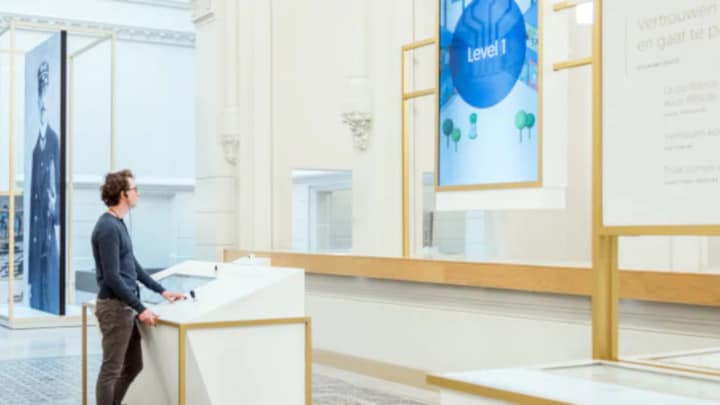

    Signage-Lösungen

    Professionelle Fernseher

    You are about to visit a Philips global content page

    Continue
    Nach oben

    The portrayal and career trajectories of mature women in entertainment and cinema have historically been defined by systemic ageism and narrow archetypes

    Beyond the "Grandma" Trope

    Historically, Hollywood’s obsession with youth was an economic mandate, not an artistic one. The industry presumed that audiences, particularly the coveted 18-34 demographic, were uninterested in stories about women navigating menopause, widowhood, or the complexities of a post-child-rearing identity. Actresses like Meryl Streep, though celebrated, often noted the drying up of substantial roles after a certain age. The lament was a cultural cliché: the “second act” for a male star meant Taken or John Wick; for a female star, it meant a voiceover role as an animated cat or a two-scene cameo as a congresswoman. This disparity reinforced a toxic cultural message: that a woman’s narrative value expired alongside her fertility and conventional beauty.

    are headlining action and horror franchises, portraying "hard women" with steely resolve and complex histories. Challenges and Persistence

    If you'd like to refine this into a specific format, tell me if you're looking for: A video script outline (e.g., for YouTube or a mini-doc).

    The Invisibility Gap: Women over 50 make up 20% of the population but only about 8% of television characters. In film, characters over 50 are three times more likely to be male (80%) than female (20%).

    Unsere Seite wird am besten mit der neuesten Version von Microsoft Edge, Google Chrome oder Firefox angezeigt.