In the corner of a dimly lit bedroom in early 2021, stared at a flickering monitor. The glow of GitHub
This guide explains how to find and use autosplitters from GitHub for speedrunning, specifically focusing on the most common implementations for 2021-era games and beyond. 1. Find the Correct Autosplitter
uses OpenCV and image comparison to trigger splits based on visual cues, making it a "universal" solution for games without memory-based scripts. Key GitHub Repositories for 2021 Games autosplitter+games+github+2021
Most autosplitters found on GitHub in 2021 operated through one of two primary methods: Memory Reading (RAM):
As we look back, 2021 wasn't just about the games; it was about the invisible code running in the background, ensuring that every second—and every millisecond—was accounted for with perfect accuracy. AI responses may include mistakes. Learn more In the corner of a dimly lit bedroom
Search autosplitter+games+github+2021 and you’ll find dozens of “alpha” repos with 1 commit, no readme – but some contain brilliant pointer maps or logging hooks that later splitters reused.
Following its 2020 release of 1.0, Hades exploded in the speedrunning community in early 2021. The game’s procedural generation and variable room layouts were a nightmare for manual splitters. The GitHub autosplitter for Hades used memory mapping to detect which biome the player was in (Tartarus, Asphodel, Elysium, Styx) and automatically split upon picking up the Satyr Sack or defeating the final boss. Find the Correct Autosplitter uses OpenCV and image
Minecraft speedrunning saw a renaissance in 2021. GitHub hosted multiple forks of the autosplitter that tracked advancements (entering the Nether, getting Blaze Rods, entering the End) by reading the game’s log file—a brilliant workaround that avoided direct memory manipulation.
Image Comparison: Tools like AutoSplit allow for automation on consoles by comparing a video feed to a set of reference images.
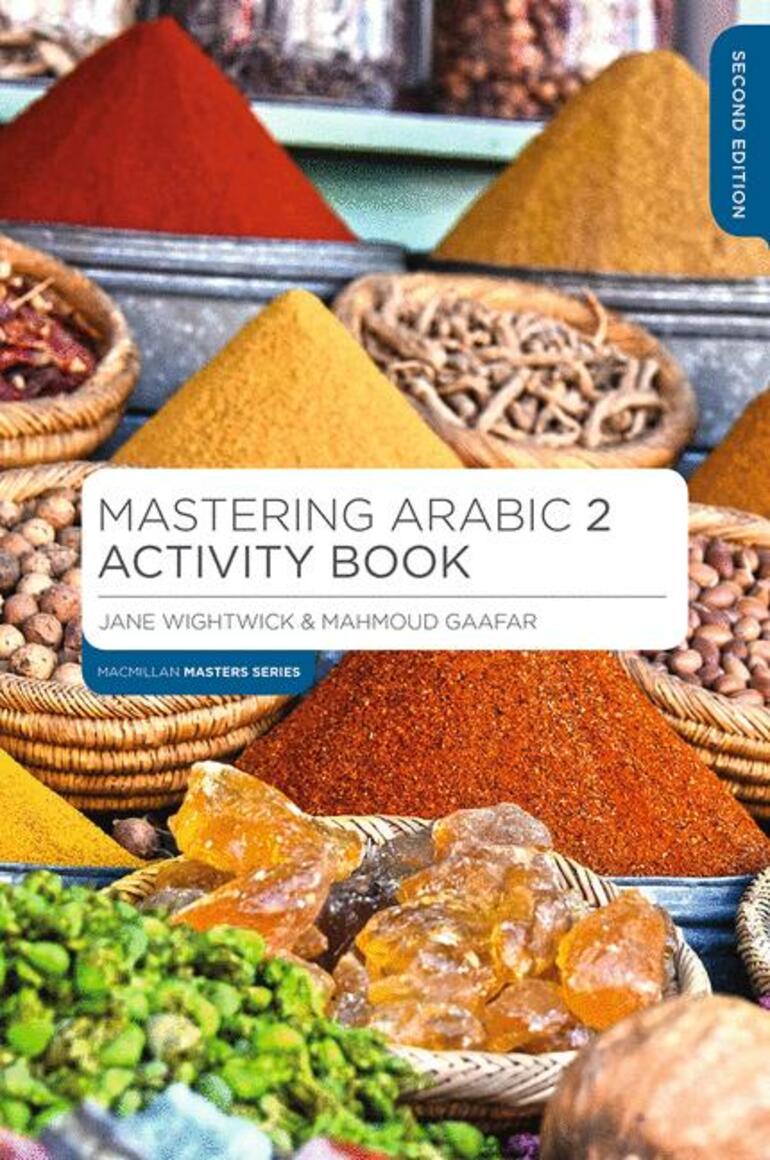
Mastering Arabic 2 Activity Book provides a range of activities and exercises to allow post-beginner learners of Arabic to continue improving. A great companion to Mastering Arabic 2, it can also be used with any other intermediate course, or by anyone with some prior knowledge of Arabic.
Downloads
 U7, p39 and U14, p79: Crossword printouts (.pdf)
 Extension activities (.pdf)
 'Talk about it yourself' model answers (.pdf)
Please also click here to find resources for Mastering Arabic 2 which are also relevant for readers of Mastering Arabic 2 Activity Book.