





Talk to us?
welcome To
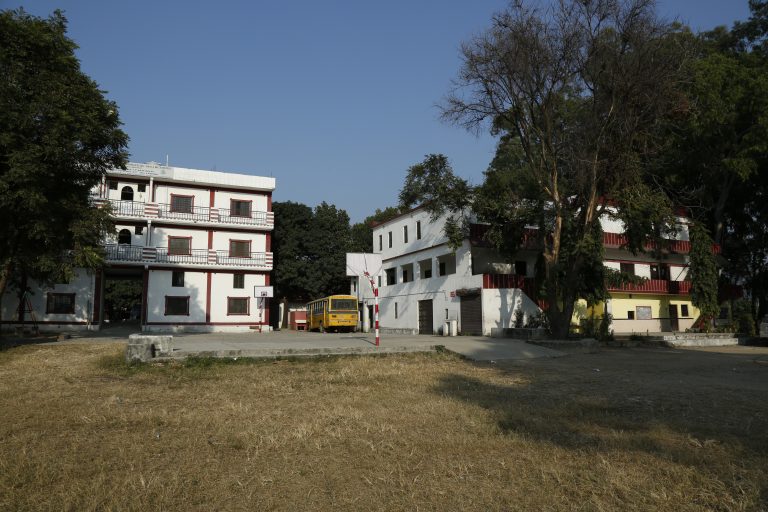
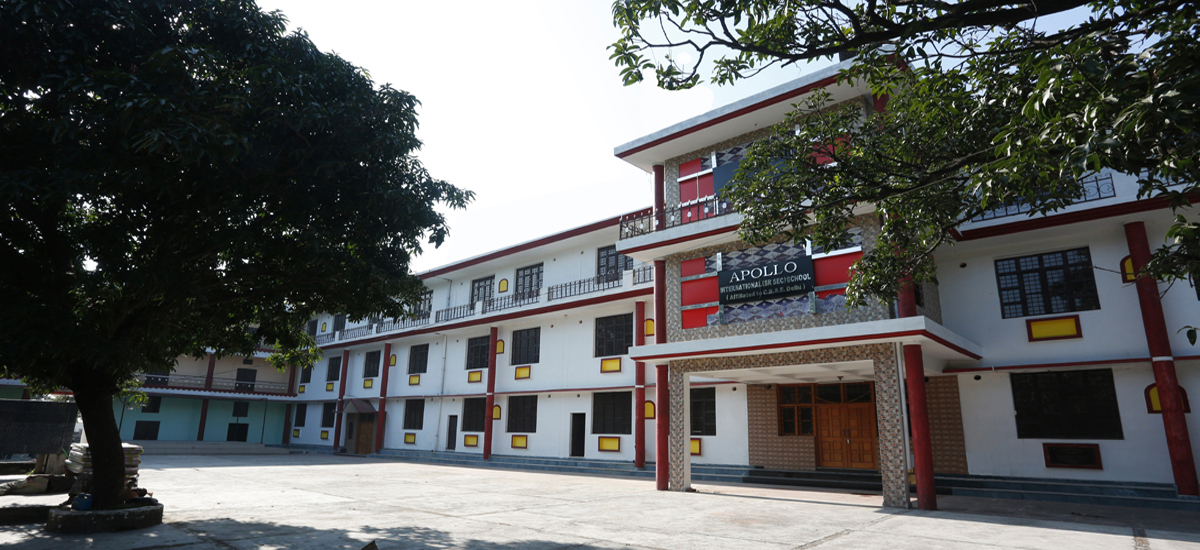
Apollo International School, established in March 1999, was conceived with a mission to offer quality education that prioritizes the holistic development of students. Its foundation rests on the belief that the needs and aspirations of students should be at the core of its educational philosophy. The school seeks to create a nurturing environment where academic excellence is achieved through personalized attention, catering to the unique strengths, interests, and learning paces of each student. Ap1g2-k9w7-tar.153-3.jf15.tar
At first glance, the string "Ap1g2-k9w7-tar.153-3.jf15.tar" looks like a filename constructed from multiple encoded segments: alphanumeric groups, a dash-separated token, a dot-separated extension, a numeric revision or identifier, and the familiar ".tar" archive extension. Treating this string as a prompt, I will expand it into a meaningful, descriptive essay that explores what such a filename could represent, the technical and human contexts that generate names like this, why clear naming matters, and practical recommendations for creating and managing similar artifacts. Decoding and Interpreting "Ap1g2-k9w7-tar
file is pushed to the device via TFTP (Trivial File Transfer Protocol). Once extracted, the AP transforms from a "dummy" antenna into a fully programmable network node. Conclusion Once extracted, the AP transforms from a "dummy"
.tar extension – Suggests a Tape Archive (TAR) file common in Unix/Linux systems. However, valid TAR files rarely contain such a long, random-looking prefix before the extension.
Note: This is not a nested archive (e.g., .tar.gz or .tar.bz2). It’s a tar file whose base name includes the literal substring "tar" before the version number.
: It is used to convert "Lightweight" access points (which require a controller) into "Autonomous" mode, allowing the device to operate independently. Compatibility : Specifically designed for the platform, which covers models like the AIR-CAP1602I-E-K9 Naming Convention : The hardware platform (Aironet 1600 series). : Indicates the Autonomous feature set (as opposed to for Lightweight). 153-3.JF15 : The IOS version, 15.3(3)JF15. : Since the 1600 series is End-of-Support
At first glance, the string "Ap1g2-k9w7-tar.153-3.jf15.tar" looks like a filename constructed from multiple encoded segments: alphanumeric groups, a dash-separated token, a dot-separated extension, a numeric revision or identifier, and the familiar ".tar" archive extension. Treating this string as a prompt, I will expand it into a meaningful, descriptive essay that explores what such a filename could represent, the technical and human contexts that generate names like this, why clear naming matters, and practical recommendations for creating and managing similar artifacts.
file is pushed to the device via TFTP (Trivial File Transfer Protocol). Once extracted, the AP transforms from a "dummy" antenna into a fully programmable network node. Conclusion
.tar extension – Suggests a Tape Archive (TAR) file common in Unix/Linux systems. However, valid TAR files rarely contain such a long, random-looking prefix before the extension.
Note: This is not a nested archive (e.g., .tar.gz or .tar.bz2). It’s a tar file whose base name includes the literal substring "tar" before the version number.
: It is used to convert "Lightweight" access points (which require a controller) into "Autonomous" mode, allowing the device to operate independently. Compatibility : Specifically designed for the platform, which covers models like the AIR-CAP1602I-E-K9 Naming Convention : The hardware platform (Aironet 1600 series). : Indicates the Autonomous feature set (as opposed to for Lightweight). 153-3.JF15 : The IOS version, 15.3(3)JF15. : Since the 1600 series is End-of-Support