Abotonada En Casa Zoofilia Videos [exclusive] 95%
Title: The Integration of Animal Behavior into Veterinary Practice: Enhancing Diagnosis, Treatment, and Welfare
Animal behavior plays a critical role in veterinary science for several reasons. First, behavioral problems are a common cause of stress and suffering in animals, and can have a significant impact on their quality of life. For example, anxiety and fear are common behavioral problems in dogs and cats, and can lead to a range of negative consequences, including aggression, destructive behavior, and decreased welfare. abotonada en casa zoofilia videos
Osteoarthritis (OA) is a prevalent but under-diagnosed condition in aging domestic cats. Unlike dogs, cats rarely present with overt lameness, instead manifesting pain through subtle behavioral shifts. This paper investigates the correlation between specific behavioral changes—such as altered grooming patterns, jumping frequency, and social withdrawal—and clinical OA diagnoses. By integrating veterinary diagnostics with behavioral monitoring, this study aims to create a "Behavioral Pain Index" for owners and clinicians to improve early intervention. 1. Introduction Title: The Integration of Animal Behavior into Veterinary
The intersection of animal behavior and veterinary science marks a critical shift in how we approach animal health. Historically, veterinary medicine focused almost exclusively on physical pathology—treating a broken limb or a viral infection. However, modern practice recognizes that an animal’s psychological state is inseparable from its physiological recovery. Understanding behavior is no longer an "extra" skill; it is a foundational diagnostic and therapeutic tool. cats rarely present with overt lameness
Preventative Care: Screening for behavioral issues at each visit can prevent problems like separation anxiety or aggression from escalating, which are primary reasons for pet relinquishment or euthanasia. Veterinary Behaviorists vs. General Veterinarians Animal Behavior | Hunter College - CUNY

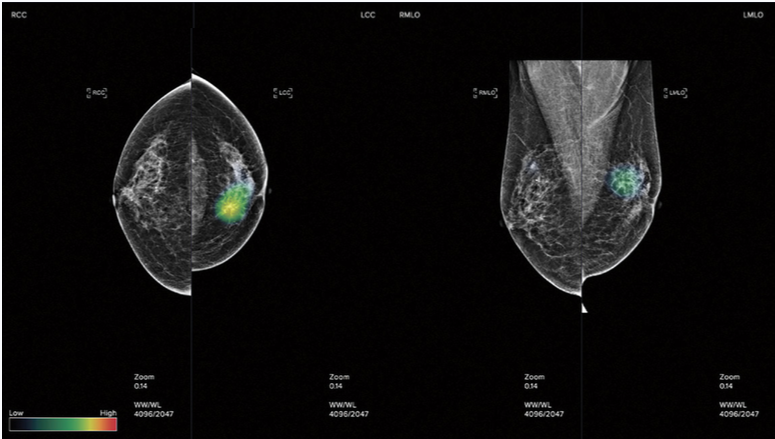
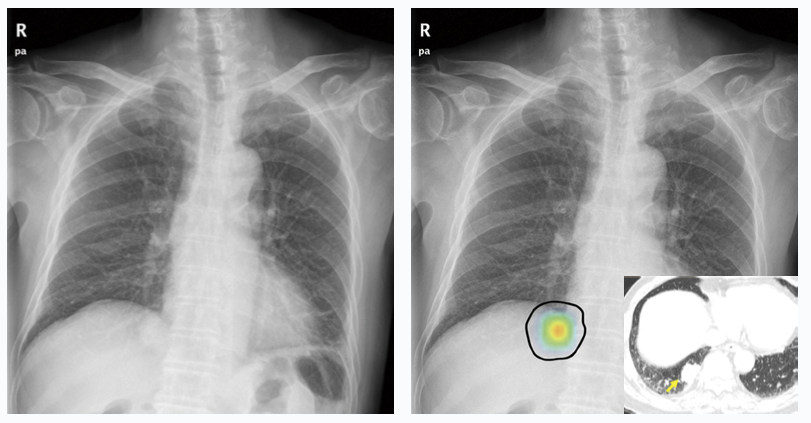 CASO 1: Câncer de pulmão localizado no lobo inferior direito.
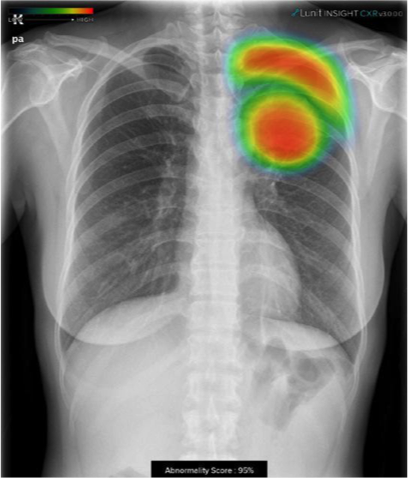
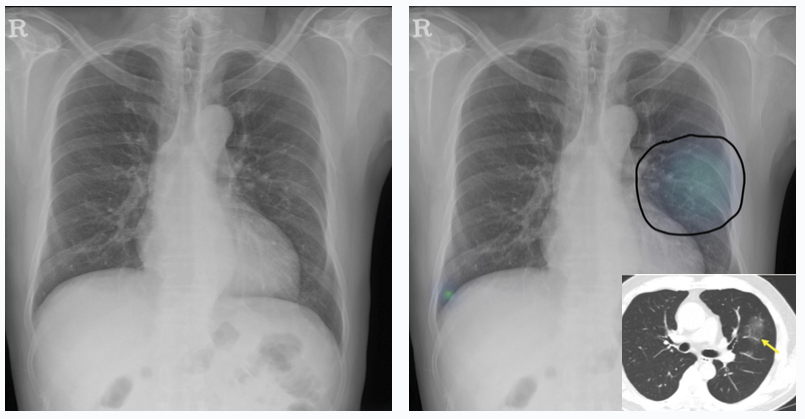 CASO 2: Pneumonia localizada na área do pulmão médio esquerdo.